

Eligibility is the first filter

Choosing insurance for a senior cat

Compare entry rules, the cat’s actual history and the care costs you would still have to fund before choosing a policy.

Owner reviewing a laptop with a tabby cat beside her
✓ Policy-first ✓ Independent ✓ Useful checks
Direct answer
The best insurance for a senior cat is an available policy that leaves useful protection after the cat’s history is considered and that you can sustain as care needs change. Those are useful screening differences, not proof that either will cover an existing illness or be the best price for your cat.
Decision guide

Some answers should remove a policy from the shortlist

First filter A useful answer When to stop
New enrollment The offered plan accepts the cat’s actual age and residence The quote is unavailable or substitutes a plan that omits the illnesses you want to insure
Existing medical history The insurer explains how the specific record affects coverage Your main reason for buying remains excluded and no other protection justifies the cost
Care access and payment You can use the needed licensed providers and fund the required payment The practical payment arrangement would prevent you using the policy
Sustainable premium The cost leaves room for known care and retained claim costs Buying consumes the money needed for care the policy will not pay

Apply these filters before ranking reimbursement percentages or attractive extras. A generous limit cannot repair an enrollment failure. A small preventive allowance cannot make ongoing excluded treatment into insured treatment. Mark unresolved answers as unresolved instead of awarding a reassuring score.

Age is an underwriting input, not a diagnosis. Cornell cautions against attributing new health or behavior changes simply to old age. Discuss those changes with the veterinarian promptly and provide an accurate history to the insurer.
Compare

Two verified starting points, with a narrow comparison

Pets Best’s official cat page says there is no upper age limit for enrollment and explicitly excludes pre-existing conditions. That makes it a starting option to investigate when entry age is the obstacle. It does not establish that every desired benefit is included or that its premium is affordable for this cat.

Obtain an actual offer rather than assuming a senior cat qualifies. Its policy is reimbursement-based, so you also need a plan for paying the clinic.

These examples are not a full-market ranking. Compare the state-specific plan, the actual exclusions and total cost. No personalized quotes were collected here, and neither a marketing label nor the absence of an upper age ceiling proves superior claims service.

Pet profile

Let the cat’s record change what “best” means

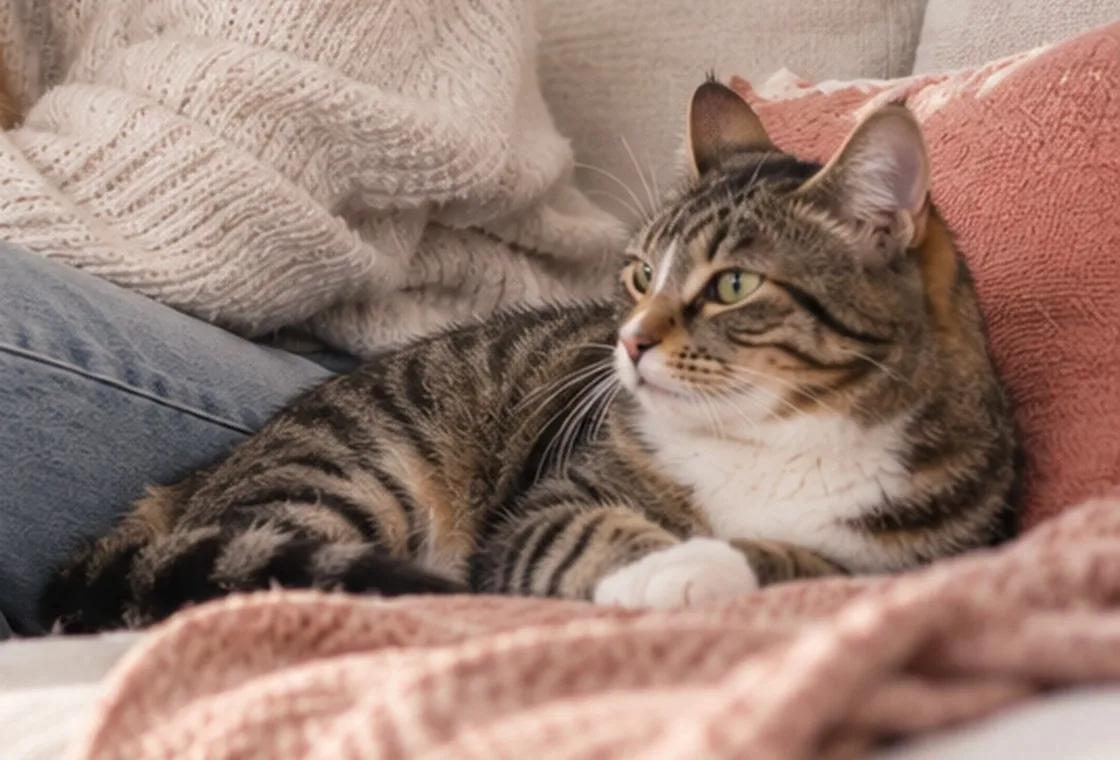
Cat resting beside a person on a sofa
Use the cat’s actual history and policy documents; appearance cannot establish age or eligibility.
Illustrative senior-cat profile Priority in comparison Question to resolve
No known ongoing condition; routine screening planned Future eligible illness protection alongside a separate routine-care budget Which screening charges, if any, need a wellness benefit rather than medical coverage?
Already insured for a continuing condition Continuity before a lower new premium Would a replacement insurer classify that condition or earlier signs as pre-existing?
Uninsured with a chronic diagnosis Protection for unrelated eligible events and a direct budget for current care What related tests, medications and complications remain excluded?

These are decision examples, not forecasts or diagnoses. Two cats of the same age can need different insurance decisions because their records and existing contracts differ. Ask the insurer to explain the implications using the actual history, including uncertain or unresolved signs.

If a previous insurer has paid for a condition, keep its policy and claim explanations while considering a replacement. A new contract does not automatically inherit that insurer’s assessment. Do not cancel first and investigate continuity later.

Compare

Compare the second and third visit, not just the first

For any newly eligible illness, ask how follow-up exams, laboratory monitoring, prescriptions and specialist care would be assessed. Not every charge has the same benefit status. Request an example spanning a renewal so you can see when a deductible or limit resets. Do not assume that a large first payment predicts the next payment.

Keep three budget lines: the premium, care you already know is outside insurance, and your share of possible eligible claims. Ask about the renewal mechanism and notice of price or benefit changes. An insurer saying coverage can continue as the cat ages is not the same as promising a fixed premium.

For a cat needing regular care, also ask the clinic how it supplies records and itemized invoices. Reliable paperwork matters when several visits concern the same illness, but it cannot turn an excluded condition into a covered one.

A defensible choice sounds like this: “This offer accepts my cat, preserves the future risks I want to insure, excludes these known costs that I can budget for, and has a payment process I can use.” Attach the unanswered questions and do not count them as benefits.

If no offer clears those tests, focus first on a care budget with the veterinarian and revisit insurance for remaining future risks when appropriate. That outcome can be more useful than choosing a policy because it won a generic senior-cat award. The best option is the one whose actual promise fits this cat and this household.

Evidence

Sources and policy context

These public references support the consumer or veterinary context. Named insurer details were checked in official product materials; the policy offered for your pet and state determines the actual terms.

Next step

Compare Current Pet Insurance Rates

Check current options for your pet and location, then compare the policy details, exclusions, costs, and eligibility before choosing.

Compare the policy before you choose Check the actual offer, exclusions and out-of-pocket terms.
See Rate Options